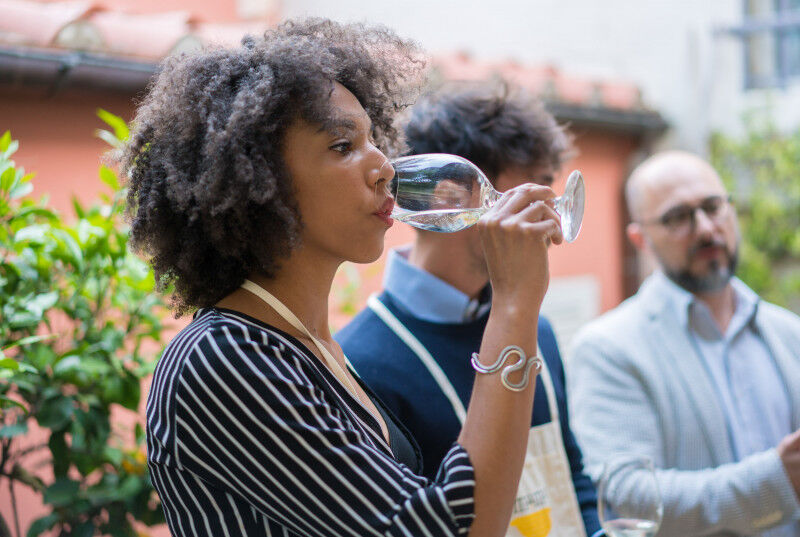
Learn How to Taste Wine and Develop Your Palate
The magic of wine lies in its ability to be enjoyed on many levels. Whether you’re savoring a glass with friends during an aperitivo or opening a special bottle set aside for a memorable occasion, wine has the power to create lasting moments.
If you want to deepen your appreciation, you can take this passion further by learning to properly observe, smell, and taste the wines you drink. With a little curiosity and technique, every glass can become a new adventure for your senses.
Wine Tasting Explained: Discovering the Symphony of Senses
When we taste wine, we’re not just assessing a liquid—we’re engaging in a multisensory dialogue that bridges the wine’s essence with our own perceptions and memories. Sensory or organoleptic qualities are born from the interplay between the wine and our senses—not inherent in the wine alone.
Tasting wine is about cultivating an active memory, linking aromas and flavors to moments, places, and sensations. Through this process, we develop a shared vocabulary to describe what’s in the glass. This approach lets you move beyond personal likes and dislikes, using sight, smell, and taste to form a deeper, more objective connection to every bottle you experience.
Why Embrace the Wine Tasting Experience?
Observing the brilliance, color, viscosity, aromatic strength, and lingering finish of wine elevates your appreciation from simple enjoyment to insightful discovery. These elements are clues that can reveal the grape variety, the unique characteristics of its growing region, and the winemaking techniques employed.
Wine tasting isn’t reserved for seasoned sommeliers—it’s a rewarding pursuit for anyone curious about unlocking the deeper stories in every glass.
Step-by-Step Guide to a Transformative Wine Tasting Journey
The classic wine tasting ritual engages three primary senses: sight, smell, and taste, in that order. Each sense offers distinct insights: appearance reveals clarity and hue, aroma unravels bouquet complexity, and palate exposes texture and flavor harmony. Within these core stages, a wealth of nuanced observations await, inviting you to uncover the unique fingerprint of every wine.
Essential Preparations for a Successful Wine Tasting
Before you begin, ensure your tasting glass is spotless and free from lingering scents, and that your palate is cleansed of overpowering flavors—avoid toothpaste or strong foods beforehand.
While certain glasses can accentuate a wine’s sparkle, aroma, or color, beginners should focus more on handling the glass correctly—always hold it by the stem to prevent warming the wine.
Stay hydrated by sipping water prior to tasting. A moist palate and sensitive olfactory system are crucial for capturing every nuance in aroma and flavor.
Exploring the Core Stages of Wine Tasting
Evaluating Wine Through Visual Clues: What the Eye Reveals
The initial assessment of wine engages our primal instincts. As you gaze into your glass, your mind rapidly interprets color and clarity, helping you intuitively gauge the wine’s condition and style. Blind tastings—where visual cues are hidden—often surprise even seasoned tasters, highlighting how much our perceptions rely on sight (it’s trickier than you think to identify a wine’s color without looking!).
Interpreting Quality and Character Through Appearance
Hold your glass up to the light and examine its features. For sparkling wines, observe the bubbles—are they fine and persistent or large and fleeting? Notice the wine’s brilliance, a sign often associated with youthful, vibrant wines from cooler regions. Young white wines tend to display pale straw hues that deepen with age, while reds lose their intensity and acquire garnet or tawny edges as they mature.
Gently swirl the wine and watch the "legs" or "tears" as they form on the glass—these reveal clues about alcohol content and sweetness. Slower, thicker legs suggest higher sugar or alcohol, while rapid, thin legs indicate a lighter style.
Unraveling the Aromatic Palette: Smelling and Savoring Fragrance
The sensory journey continues with the nose. As wine is swirled, volatile aromatic compounds are released, activating olfactory receptors and sending signals to the brain. This complex process bridges instinct and memory, transforming scents into recognizable notes. Developing this skill takes practice—the more you engage your sense of smell, the more vivid and nuanced your aromatic vocabulary becomes.
The Origins of Wine Aromas: From Vineyard to Glass
Wine aromas are shaped by three essential sources: the grape variety, the fermentation process, and the ageing journey.
Begin by inhaling deeply from your glass without swirling to gauge initial intensity and alcohol warmth. Swirl next to oxygenate, unlocking a cascade of new aromas—fruity, floral, yeasty, or nutty. As the wine lingers in the glass, secondary and tertiary notes emerge, such as vanilla, spice, chocolate, or earthy leather, signs of thoughtful aging in oak or bottle.
Aged wines continue to evolve in the glass, so revisit your glass after several minutes to discover new aromatic layers. This stage is also essential for detecting faults, like cork taint or Brettanomyces, which can mask the true character of the wine.
Decoding Flavor: The Art of Tasting and Understanding Wine
Your mouth is a map of taste sensations, each part of the tongue detecting sweetness, acidity, saltiness, bitterness, and umami.
Start with a modest sip to acclimate your palate. Roll the wine gently across your tongue, allowing air in as you taste—this reveals a spectrum of flavors and textures that might otherwise go unnoticed.
Balancing Taste: Assessing Harmony and Structure in Wine
Balance is the hallmark of quality wine. The interplay between soft sensations—like sugar and alcohol—and harder sensations, such as acidity, tannins, and minerality, create a harmonious whole. Noticing these contrasts helps you understand the wine’s structure and craftsmanship.
Heightened salivation points to acidity, while astringency or dryness on the gums signals tannins or elevated alcohol. Your goal is to identify these components, then judge how well they complement each other. The most enjoyable wines are those where all elements are in balance.
Remember, serving temperature can dramatically influence what you taste—warmer wines accentuate sweetness, while cooler temperatures highlight freshness and acidity.
Now, try identifying specific flavors—stone fruits, berries, spices, minerals, or roasted notes. When tasting multiple wines, it’s wise to spit rather than swallow to avoid alcohol fatigue and keep your evaluations sharp.
Finally, note how long the flavor lingers. This duration—called persistence—is a key indicator of a wine’s depth and quality.
Expert Tips for Building Your Wine Tasting Skills
Jotting down your impressions in a tasting journal or dedicated app allows you to track your discoveries and refine your palate over time.
And keep in mind the most important advice: the more you taste, the more your understanding and enjoyment will grow!
A note for adventurous tasters: alternative or "natural" wines—such as orange wines—may display different characteristics from conventionally made wines. Their color, aroma, and structure sometimes defy traditional guidelines, adding a new dimension to your tasting journey.
all.sign in to leave a review