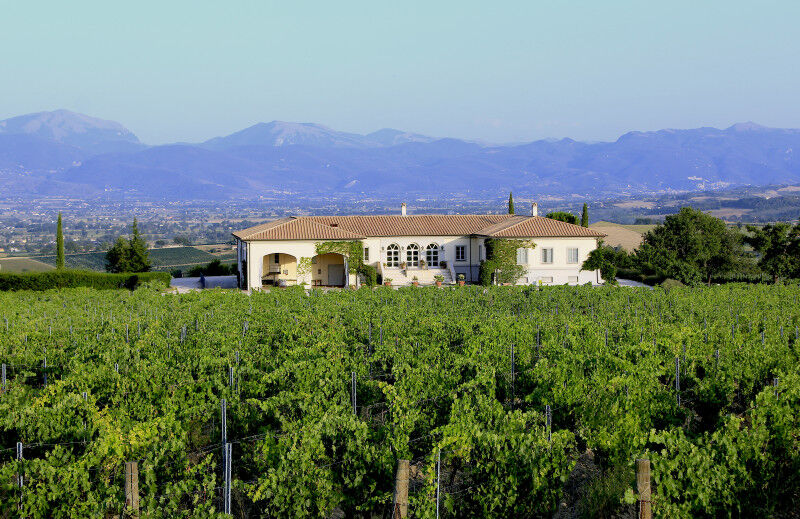
The Evolution of Cantine Lungarotti: Umbrian Excellence in Wine
Cantine Giorgio Lungarotti is not only a beacon for Umbria but also an emblem of the region’s journey from rustic obscurity to global wine stardom. What sets this estate apart is more than just its meticulous winemaking – it is the dynamic, innovative spirit of its founder, Giorgio Lungarotti, who rewrote the narrative for Umbrian viticulture in the 20th century. From the 1960s, Lungarotti’s vision was to elevate Umbrian wine to international acclaim, leveraging both tradition and cutting-edge techniques to create a regional identity recognized by connoisseurs worldwide.
The Lungarotti experience goes far beyond the vineyards. The Lungarotti Foundation anchors the estate’s cultural mission, overseeing the MUVIT Museum—a treasure trove of wine history, technology, and art—and the MOO Museum devoted to olive oil and the ancient olive tree. Guests can stay at the charming 17th-century Poggio alle Vigne farmhouse, where rustic elegance meets immersive hospitality. The stately wine estate itself is a haven for tastings, estate tours, and exclusive culinary experiences, each designed to showcase Umbria’s deep gastronomic traditions. Together, these facets forge a central cultural role for Umbria in the Italian food and wine landscape, revealing a region layered with history, flavor, and innovation.
Giorgio and Maria Grazia Lungarotti: Forging a New Era for Umbrian Wines
In the past forty years, Italian wine has become a vivid mirror of regional character, shaped by the intersection of agricultural craft and commercial foresight. Driven by changing consumer tastes and international competition, producers have been forced to innovate, and few have done so with the courage and acumen of Giorgio Lungarotti and his wife, Maria Grazia Lungarotti.
When Giorgio ventured into viticulture in 1962, Umbrian wines were largely unknown outside Italy. His ambition was to redefine quality benchmarks and to put Torgiano on the global wine map. By introducing advanced vineyard management, selective grape harvesting, and modern fermentation techniques, he rapidly distinguished his estate from local rivals. The results were immediate and profound: Torgiano became synonymous with quality, and the Lungarotti name emerged as a byword for innovation. Maria Grazia, a learned art historian, complemented Giorgio’s technical prowess by championing the cultural and artistic dimensions of wine, leading to the estate’s later focus on museums and heritage. The Lungarottis’ legacy is one of fearless pursuit of excellence and continuous self-improvement, the hallmarks of their enduring success.
From Vines to Museums: The Cultural Renaissance of Lungarotti
In 1974, Giorgio and Maria Grazia inaugurated the MUVIT Wine Museum, a groundbreaking institution that would soon be hailed by The New York Times as a world leader in its field. The museum is more than a collection; it’s a sensory journey that explores winemaking through art, archeology, and technology, bridging the gap between agricultural practice and creative expression.
The Lungarotti Foundation established in 1987 further underscored the estate’s commitment to protecting Italy’s agricultural and cultural heritage through research, education, and preservation initiatives. In 2000, just a year after Giorgio’s passing, the MOO Museum was opened. Dedicated to the olive tree and its precious oil, MOO continues the dialogue between agriculture and the decorative arts, deepening visitors’ appreciation for the Mediterranean’s ancient culinary traditions and their centrality to Umbrian identity.
Chiara Lungarotti and Teresa Severini: A Modern Legacy Takes Shape
Since 1999, the estate has been steered by the formidable sisters Chiara Lungarotti and Teresa Severini. Their leadership is both pragmatic and visionary, blending inherited wisdom with forward-thinking innovation. Seasoned in oenology and business, Chiara and Teresa have redefined the estate’s goals for the twenty-first century—prioritizing sustainable agriculture, expanding wine tourism, and fostering a philosophy that celebrates both family roots and global ambition.
They have reinvented the Lungarotti hospitality experience by embracing modern viticultural practices, refining their wines and oils, and investing in cultural outreach. Their stewardship goes beyond product; it’s about nurturing a legacy, honoring their parents, and galvanizing the region’s evolution into an international destination for wine and food lovers. Under their guidance, the estate remains fiercely independent, with a renewed focus on quality, innovation, and the preservation of tradition for future generations.
Wine and Olive Oil: The Living Tapestry of Umbrian Culture
The Lungarotti family has long understood that the soul of wine and olive oil is inseparable from the land and its people. Their approach is holistic: agriculture is not just production, but a celebration of terroir, tradition, and the art of conviviality. They were among the first in Italy to integrate tourism and agriculture, crafting experiences that immerse visitors in the rhythms, flavors, and stories of Umbria.
By championing the value of typicality—the unique local traits of wine and oil—the family positions each product as an authentic expression of the region’s identity. The Lungarotti model has led the way in transforming wine and food tourism, offering encounters that go beyond simple consumption to create lasting, meaningful connections. Every meal and tasting becomes a lesson in history and geography, revealing the hidden richness of the Umbrian countryside. The ultimate aim is not just commercial success, but elevating the quality of life for the local community and visitors alike.
Rubesco Riserva Vigna Monticchio: The Iconic Red that Defines a Region
Few wines encapsulate the rise of Umbrian enology like the legendary Rubesco Riserva Vigna Monticchio. This flagship wine is the crowning achievement of Giorgio Lungarotti, who proved, against the odds, that red wines of remarkable structure and aging potential could be produced outside of Tuscany. Crafted primarily from Sangiovese grapes, meticulously grown in the mineral-rich soils of Brufa—a picturesque hamlet south of Perugia—this wine is the region’s answer to Italy’s great reds.
Rubesco Riserva Vigna Monticchio is renowned for its depth and longevity, regularly earning accolades from sommeliers and critics. It is a wine born of patience: harvested from a single-vineyard plot, it undergoes careful fermentation and is aged in a combination of barrique and bottle for years before release. Each glass offers a tapestry of aromas—red berries, spices, tobacco, and earthy undertones—delivering a smooth, persistent finish that is both elegant and powerful.
The Vineyard: Terroir and Technical Mastery
The Vigna Monticchio site spans 15 hectares of former lakebed soils, with a mosaic of sandy clays, calcareous elements, and silt, providing exceptional drainage and mineral content. Positioned on southeast-facing slopes at nearly 300 meters altitude, the vineyard benefits from optimal sun exposure and cooling breezes—conditions ideal for the slow, balanced maturation of Sangiovese grapes.
Employing the double spurred cordon training system, the vines are meticulously managed to control yield and maximize concentration. Harvest typically occurs in October, after which the grapes undergo a slow fermentation in stainless steel, extended skin contact for 15-20 days, and a year of aging in French oak barriques. The wine then rests in bottle for several additional years, developing its signature finesse and complexity. Thanks to this rigorous regimen, Rubesco Riserva Vigna Monticchio can age gracefully for 30-35 years, evolving with remarkable nuance and depth.
Vintage Highlights: The Timeless Journey of Rubesco Riserva
The saga of Rubesco Riserva began in 1964, and since then, certain vintages have achieved near-mythical status. The 1974 vintage marked the first vineyard-designated bottling, setting a precedent for site specificity in Italian wine. The 1977 vintage introduced 18-month oak aging, inaugurating a new era of depth and structure. The 1982 vintage broke ground by using French oak barriques, an innovation then rare in Umbria, while the 1988 stands out as one of the most long-lived and distinctive wines of the decade.
Today, Rubesco Riserva continues to deliver outstanding value and character, each vintage reflecting the nuances of its growing season and the masterful hands that shape it. These wines are not only delicious but also historical documents—each bottle a testament to the relentless pursuit of excellence and the evolution of Italian red wine.
Why Lungarotti Is a Must-Visit for Wine Lovers
To step into the world of Lungarotti is to embark on an immersive journey through the heart of Umbria and the evolution of Italian wine. The estate welcomes visitors with open arms—offering historic cellar tours, curated tastings of its renowned wines and oils, and a seat at the table of Umbrian hospitality. Each experience is a deep dive into terroir, tradition, and innovation, set against a backdrop of breathtaking landscapes and rich cultural heritage.
Whether you are a seasoned oenophile or a curious traveler, a visit to Lungarotti is an invitation to taste, learn, and celebrate the enduring artistry of Italian wine and olive oil, where every detail tells a story and every sip is a celebration of place and passion.
all.sign in to leave a review