Discovering the Soul of Franciacorta
The Franciacorta region, a jewel in northern Lombardy within the borders of Brescia, is a veritable paradise for those who appreciate beauty, wine, and gastronomic tradition. To the east, the land unfurls into ancient morainic and craggy hills, while the west is gently bordered by the flowing Oglio River.
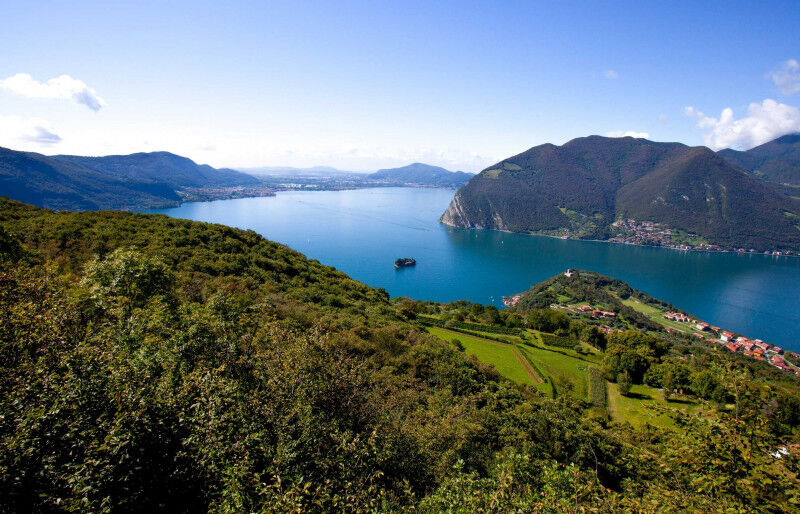
In the north, the sparkling blue waters of Lake Iseo nestle against the gentle undulations of the Rhaetian Alps, creating a cool microclimate, while to the south, a broad and fertile alluvial plain bridges Brescia and Bergamo.
This land is a patchwork of lush vineyards, meandering lanes, and enchanting hamlets crowned by stately castles, storied abbeys, and time-worn towers. Visitors can wander among elegant patrician villas, or explore tranquil nature reserves brimming with the colors and scents of the Italian countryside.
The climate here is a gift to winemaking: brisk winds from Val Camonica are softened by the lake’s influence and the mineral-rich embrace of the rolling hills, ensuring the grapes ripen with vibrant flavor and complexity.
Historically, the name Franciacorta comes from curtes franca, referencing the self-sustaining Benedictine communities of the 1200s. These monks, by decree of the local Bishop, were excused from paying feudal tolls and taxes, making the region a hub for trade and artisanal production, a legacy that still echoes in its agricultural prowess.
Today, Franciacorta is made up of 19 villages, each contributing its spirit to what is now recognized as a shining example of Italian viticultural and culinary excellence, particularly in the shadow of serene Lake Iseo.
The Grape Mosaic of Franciacorta
Within Franciacorta, six distinct “vocational units” have been mapped, each with its own tapestry of soil, fertility, and texture. These micro-zones are the secret to the region’s nuanced wines, allowing agronomists to match grape varieties to their perfect patch of earth, and winemakers to craft blends that capture the essence of this unique terroir.
The undisputed star is Chardonnay, which arrived in the 1950s and soon revealed its potential for elegance and freshness. By the next decade, Chardonnay was clearly separated from Pinot Blanc, another grape that brings subtle floral notes and creamy textures to the blend.
Pinot Noir adds structure and depth, its presence felt in the rich, expressive bouquets. More recently, the rare Erbamat variety—once nearly forgotten—has been reintroduced. This grape, with its zesty acidity and delicate floral aromas, is now cherished by winemakers aiming to reinforce the region’s unique identity and provide resilience as climates shift.
There is hope that Erbamat will help restore balance to the soils, preserving the integrity and vibrancy of Franciacorta’s vineyards for future generations of wine lovers.
Franciacorta Wines: Effervescence Embodied
When you pour a glass of Franciacorta, you’re tasting more than just a sparkling wine—you’re sipping a story of innovation and tradition. Curiously, the label bears only a single word: Franciacorta. This is both a statement and a promise, as the wine was the first Italian sparkling to achieve the coveted DOCG status, reserved for the nation’s most prestigious appellations.
In the early 1960s, when local winemaking was still in its infancy, a pioneering spirit took hold. In 1961, Franco Ziliani—with his visionary partners Giorgio Lanciani and Guido Berlucchi—crafted the very first 3,000 bottles using the Classic Method. Their pursuit of quality and character set a new benchmark for Italian sparkling wine, shaping what would soon become a national and international favorite.
Today, Franciacorta is lauded as the epitome of Italian Classic Method, offering a vibrant, persistent mousse and a bouquet that dances with notes of ripe orchard fruit, toasted brioche, and wildflowers—a true celebration in every glass.
From Ancient Roots to Modern Innovation: The Franciacorta Story
The remarkable ascent of Franciacorta is rooted in a fusion of wisdom passed down from ancient growers and the bold vision of contemporary winemakers. Deep in the region’s hills, evidence of grape cultivation stretches back to prehistoric times, with grape seeds unearthed from ancient settlements. Literary giants like Pliny, Columella, and Virgil have all chronicled the area’s winemaking history, weaving Franciacorta into the fabric of Italian culture.
Throughout the Roman Empire and the Middle Ages, vineyards blanketed the most promising slopes, chosen for their ability to nurture robust vines and concentrated flavors. Even in the face of war, plague, and shifting fortunes, the people of Franciacorta never abandoned their craft, passing on their passion and expertise from one generation to the next.
Today’s Franciacorta owes its global reputation to this legacy, combined with the entrepreneurial acumen of families who recognized that, by striving for quality and embracing innovation, they could bring the magic of their land to tables around the world.
The Discipline of Franciacorta: Method and Modernity
Franciacorta’s sparkling treasures are crafted by a set of stringent rules known as the “Franciacorta method,” a meticulous approach that refines the time-honored Classic Method. Every step, from vineyard to bottle, is overseen with the utmost care, ensuring each vintage expresses the land’s soul.
To intrigue a wide audience, producers offer not just the time-tested Brut and Extra Brut, but also radiant Rosé, Special Cuvée, Riserva, Extra Dry, Sec, and Demi-Sec. Notably, to achieve the enchanting blush of their Rosé, winemakers made the rare decision to blend red and white grapes—a break from tradition that delights the palate and the eye.
Two standout styles have won enthusiastic fans: Dosage Zero (bone-dry, with no sugar added, letting terroir shine through with bracing purity), and Satèn (crafted with less carbonation for a silkier, gentler mousse, reminiscent of satin on the tongue). Only wineries belonging to the Consortium for the Protection of Franciacorta can use the Satèn name, making each bottle a mark of authenticity.
The Taste Palette: Franciacorta’s Flavorful Styles
The character of Franciacorta wines is sculpted by the dosage—the measured liqueur added after disgorgement. Each style offers a unique sensory journey, inviting pairings with local dishes or simply to be savored as an aperitif:
- Non-Dosato (up to 3 g/l sugar): The crispest, most mineral-driven version, ideal for purists.
- Extra Brut (up to 6 g/l): Strikingly dry, with vibrant acidity and citrusy lift.
- Brut (less than 12 g/l): Balanced and versatile, it shines alongside a variety of foods, from seafood to poultry.
- Extra Dry (12–17 g/l): Offers a gentle sweetness that brings out the best in spicy or savory fare.
- Sec/Dry (17–32 g/l): Soft and lightly sweet, perfect with cured meats or aged cheeses.
- Demi-Sec (33–50 g/l): Lusciously sweet, a delightful partner for pastries and desserts at the end of a festive meal.
From Grape to Glass: The Franciacorta Classic Method
The journey of Franciacorta’s bubbles begins with the creation of still base wines, each bringing its own aromatic and textural notes. Next comes the magic: selected yeasts and sugar are blended in, setting off a second fermentation in the bottle, sealed with a crown cap.
During this transformative stage, yeasts consume the sugars, producing both alcohol and the fine, persistent bubbles that will define the wine’s character. The spent yeasts form a light, floury deposit along the bottle’s side—a hallmark of the classic process.
Skilled hands gently rotate and tilt each bottle—a ritual known as remuage—gradually drawing the sediment to the neck. The neck is then plunged into an icy brine, freezing the deposit so it can be neatly ejected in the dégorgement process. The wine lost is topped up with a final dosage, setting the style, and the bottle is crowned with the traditional mushroom cork and protective wire cage, ready to be uncorked in celebration.
Icons of Franciacorta: Wineries with a Story
Among the region’s luminaries are Guido Berlucchi, Ca'del Bosco, Bellavista, Barone Pizzini, Mosnel, Cavalleri, Uberti, Castello Bonomi, Villa Franciacorta, Majolini, Ferghettina, Quadra Franciacorta, Monterossa, Enrico Gatti, and Andrea Arici.
Each of these producers carries a proud heritage, blending tradition with innovation to ensure that every bottle reflects Franciacorta’s enduring charm and evolving story.
Flavors of Franciacorta: Traditional Restaurants to Savor
- Dina, in Gussago (Brescia) – Modern and creative cuisine rooted in local tradition, where each dish is a tribute to Franciacorta’s bounty.
- Agriturismo Il Colmetto, in Rodengo Saiano (Brescia) – A celebration of the farm-to-table ethos, offering rustic, seasonal fare in a bucolic setting surrounded by vineyards.
- Ristorante Rosa Iseo, in Iseo (Brescia) – Lakeside dining with a menu rich in freshwater fish and local produce, paired beautifully with Franciacorta’s finest bubbles.
Franciacorta in the Kitchen: Classic Pairings and Culinary Heritage
- Casoncelli alla bresciana: These crescent-shaped ravioli, filled with savory grana cheese and seasoned meat, have roots in countryside celebrations. Traditionally tossed in brown butter and sage, their richness is cut perfectly by the refreshing bubbles of Franciacorta.
- Tinca al forno: Oven-baked tench, a specialty of Lake Iseo, is seasoned with aromatic herbs and slow-cooked until the flesh is delicate and tender. The subtle smokiness and gentle flavors are complemented by the wine’s mineral backbone.
- Manzo all’olio: A local favorite from Rovato, this slow-cooked beef loin is bathed in extra-virgin olive oil, garlic, anchovies, and capers—a dish with deep medieval roots. The creamy sauce and tender meat call for a glass of Franciacorta Brut to lift and balance every bite.
Explore Further:
all.sign in to leave a review