The Unique Charm of Dolcetto Wine: A Taste of Piedmont’s Heritage in 30 Seconds
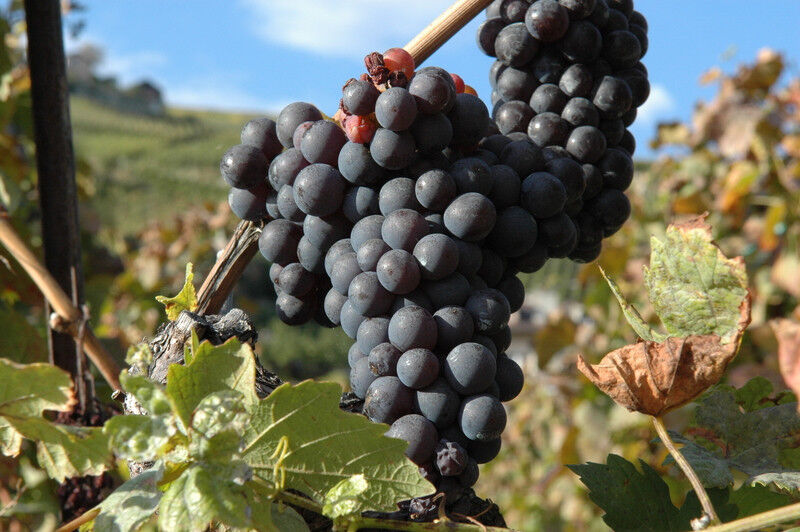
- Dolcetto is a signature black grape variety from the historic Piedmont region in northwest Italy, renowned for producing dry red wines with a strikingly deep purple hue.
- This grape, whose name means "little sweet one" in Italian, is well-adapted to the rolling hills of Piedmont, where winemaking traditions date back centuries.
- Dolcetto is known for its early budding and ripening, making it one of the first grapes to be harvested in the area.
- The wines offer a vibrant bouquet of plum, red cherry, and blackberry, reflecting the lush Piedmontese countryside.
- Notes of violet, cocoa, licorice, dried herbs, and black pepper evoke the region’s diverse flora and artisanal food heritage.
- With low tannins and a refreshing, moderate acidity, Dolcetto wines are approachable and food-friendly.
- These wines can be enjoyed young for their fruit-forward freshness or aged to develop greater complexity.
- Prestigious styles include Dolcetto di Dogliani and Dolcetto di Diano d'Alba, each rooted in local winemaking traditions and celebrated at regional festivals.
Discovering Dolcetto: Piedmont’s Beloved Grape and Its Storied Past
Dolcetto thrives in the hills of Piedmont, a region steeped in winemaking traditions that stretch back to Roman times. Here, Dolcetto is cherished as the third emblematic grape, following Nebbiolo and Barbera. Over generations, Dolcetto has earned its place in prestigious DOC and DOCG appellations, often enjoyed during lively local gatherings and harvest festivals.
Although Piedmont remains the heartland of Dolcetto production, this versatile grape has found new homes in regions across Italy, as well as in Australia and the United States. Each area brings its own touch to the grape, but the soul of Dolcetto remains deeply connected to Piedmont’s culinary and cultural landscape.
The Flavor Journey of Dolcetto Wines: A Symphony of Local Aromas
Dolcetto reveals flavors that echo the bounty of Piedmont—black fruits like plum and blackberry, layered with the subtle earthiness and spice of the land. Hints of almond and walnut recall the region’s traditional cuisine, while gentle tannins and moderate acidity make these wines especially enjoyable within three to four years of harvest.
Dolcetto’s style is reminiscent of festive early-release wines, such as France’s Beaujolais Nouveau, with some Italian appellations also producing a lively Novello version. Yet, the finest Dolcetto wines, crafted with care, can gracefully age, reflecting the patience and skill of local winemakers who honor their heritage with every bottle.
The Many Faces of Dolcetto: Exploring Wine Styles and Traditions
Dolcetto comes to life in a range of dry, still wine styles, each rooted in the region’s long-standing wine laws and local pride.
Dolcetto DOC: Expressions of Terroir
Wines labeled under DOC reflect a commitment to traditional methods and regional identity. Grapes are grown within carefully defined boundaries, and winemakers adhere to strict techniques to capture the unique character of each subregion—a testament to Piedmont’s dedication to quality and authenticity.
Dolcetto DOCG: The Pinnacle of Local Excellence
The DOCG label signifies the highest standard of regional craftsmanship. These wines undergo rigorous tasting and must be bottled at the source, a tradition that preserves the true essence and integrity of Piedmontese winemaking.
Dolcetto Superiore: Celebrating Richness and Depth
The "Superiore" designation signals a wine with elevated alcohol content, achieved through careful vineyard selection and extended maturation, often enjoyed during festive occasions and paired with hearty local dishes.
Piedmontese Pairings: Savoring Dolcetto With Traditional Cuisine
Dolcetto is renowned for its versatility at the table, harmonizing beautifully with the region’s celebrated dishes. Its black fruit flavors and moderate structure make it a perfect companion to Piedmont’s rustic yet refined gastronomy, from savory meats to earthy vegetables and aged cheeses grown in the Alpine valleys.
Delicious Combinations: Classic Dishes to Enjoy With Dolcetto
Meat Specialties
- Herb-roasted chicken, reminiscent of Sunday family feasts in Piedmont
- Lasagna, a beloved dish that brings together families across Italy
- Game dishes, reflecting the hunting traditions of the region
- Savory sausages, such as the famed Salsiccia Bra
- Pasta Bolognese, another staple that finds harmony with Dolcetto’s fruitiness
- Chicken parmesan and veal with creamy sauce, echoing the rich, comforting flavors of Northern Italian cuisine
Vegetarian & Vegetable Dishes
- French onion soup, for a touch of rustic warmth
- Risottos featuring tomato, mushrooms, or green peas—ingredients often harvested from Piedmont’s fields
- Margherita pizza and Tomato and grilled eggplant pizza, celebrating Italian street food culture
- Tortellini and other pasta dishes inspired by local traditions
- Hearty pulse-based dishes and eggplant parmesan, honoring the region’s agricultural roots
Cheeses from the Heart of the Alps
- Fontina, a creamy delight from the Northern mountains
- Manchego, mild cheddar, brie, camembert, and gouda—cheeses that balance Dolcetto’s flavors and celebrate Europe’s rich dairy heritage
Where Dolcetto Thrives: The Vineyards and Landscapes of Piedmont
Dolcetto is primarily cultivated in the provinces of Cuneo and Alessandria, nestled in the northwestern part of Piedmont. The grape is at the heart of celebrated appellations such as Dolcetto d'Acqui DOC, Dolcetto d'Alba DOC, Dolcetto d'Asti DOC, Dolcetto delle Langhe Monregalesi DOC, Dolcetto di Diano d'Alba DOCG, Dolcetto di Dogliani DOC, and Dolcetto di Ovada DOC, among others. These wines are the pride of local festivals and family tables alike.
The climate in this region is shaped by long, crisp winters and unpredictable summers, often marked by fog and storms—a challenging environment that has inspired generations of winemakers to innovate and adapt. Dolcetto’s early ripening allows it to flourish on higher slopes, where the cool air preserves its freshness and balance.
While Dolcetto’s roots are deepest in Piedmont, small plantings can be found in neighboring Liguria and even as far afield as the US, Canada, New Zealand, and France. However, nearly all of the world’s Dolcetto remains in Italy, standing as a testament to the grape’s strong regional identity.
The Art of Winemaking: Crafting Dolcetto With Care and Tradition
Dolcetto wines are meticulously crafted using time-honored red winemaking techniques, with extra attention paid to preserve the grape’s delicate character. Because Dolcetto seeds are particularly tannic and bitter, winemakers employ gentle pressing and brief maceration to achieve a balanced, fruit-forward profile reminiscent of the land’s generosity.
For vibrant, youthful DOC and IGT wines, stainless steel aging is favored to highlight primary fruit and floral notes—a reflection of the modern spirit blending with regional tradition. In contrast, more robust DOCG and Superiore wines often spend time in oak (sometimes old, neutral barrels) to lend subtle structure and complexity, echoing Piedmont’s passion for longevity and depth in their wines.
The finest Dolcetto, sourced from top vineyards, is a product of careful timing and patient craftsmanship, resulting in bottles that can mature gracefully, much like the storied hills from which they come.
Wines Reminiscent of Dolcetto: Exploring Comparable Styles and Local Favorites
For those who appreciate the approachable, fruit-driven charm of youthful DOC or IGT Dolcetto, consider these kindred spirits:
- Schiava from Trentino/Südtirol—a wine with similar lightness and aromatic appeal
- Beaujolais (Nouveau, Villages, and Cru) from France, known for its festive, early-drinking style
- Young Pinot Noir, which offers fresh fruit and subtle spice
- Rioja Joven from Spain, celebrated for its vibrant character
Those seeking richer, more structured wines akin to mature DOCG or Superiore Dolcetto may enjoy:
- The renowned Barbaresco of Piedmont, which also carries the legacy of the region’s winemaking excellence
Curiosities and Traditions: Lesser-Known Facts About Dolcetto
- The name Dolcetto, meaning “little sweet one,” is a nod to the gentle contours of its hillside vineyards rather than the flavor of the wine.
- With nearly 100 local synonyms, Dolcetto’s story is woven into the fabric of Piedmontese culture and dialects.
- This grape stands proudly among the trio of leading Piedmontese varieties, continuing to gain admiration among wine lovers worldwide.
- Remarkably, 98% of the world’s Dolcetto vines grow in Italy, underscoring the grape’s deep connection to its homeland.
Further Reading: Explore the World of Piedmont Wines
all.sign in to leave a review