Discovering Corvina: The Soul of Bardolino and Valpolicella Wines in 30 Seconds
- Corvina is a vibrant red grape indigenous to the Veneto region of northeastern Italy, celebrated for its crucial role in crafting iconic regional wines.
- Characterized by a lively red cherry aroma, thin skins, bright acidity, and low to moderate tannins, Corvina is a versatile grape that adapts to various wine styles.
- From fresh, drink-now reds to complex, age-worthy and even lusciously sweet wines, Corvina’s range is remarkable.
- This grape is the backbone of the world-renowned Valpolicella DOCG and Valpolicella DOC wines, particularly in notable subzones like Valpantena.
- Corvina also features prominently in Bardolino DOC and its superior classifications, forming the heart of these aromatic, food-friendly Venetian wines.
Written by Eugenia Torelli
Corvina: The Heartbeat of Bardolino and Valpolicella Wines
Corvina is the signature grape fueling some of Italy’s most acclaimed wines, especially those from the picturesque hills of Valpolicella and the breezy shores of Bardolino near Lake Garda. As a foundational element in these wines, Corvina delivers the unmistakable bright fruit character with every sip.
If you’re a fan of the refreshing Valpolicella DOC or Valpolicella Classico, or the more robust and age-worthy Valpolicella Superiore, Amarone della Valpolicella DOCG, or the decadent, sweet Recioto della Valpolicella DOCG, you’ve already enjoyed the charm of Corvina. In Bardolino blends—though Rondinella may sometimes take the lead—Corvina’s influence is still felt, adding elegance and vibrancy.
Corvina Blends: The Artistry of Veneto Winemaking
Corvina-based blends represent the breadth of Veneto’s winemaking traditions. Once confused with the similar Corvinone grape, Corvina was definitively distinguished in 2005. For added color and structure, winemakers often blend Corvina with local varieties like Rondinella and Molinara—each contributing to the region’s renowned wine diversity.
Corvina Wine: Savoring the Flavors of Bardolino and Valpolicella
Corvina is a late-ripening grape yielding abundant clusters, renowned for its signature sour cherry notes that echo across every style it graces—from the easy-drinking Bardolino DOC to the grand Amarone della Valpolicella DOCG.
In Amarone and Recioto, expect intense cherry concentration intertwined with warm spice, a velvety texture, and elevated alcohol. Ripasso reveals deeper, stewed cherry and plum with a fuller body and robust tannins.
Bardolino DOC is all about freshness and fruit, while Bardolino DOCG gains extra complexity with time and careful aging.
Corvina mostly crafts dry red wines, with the sweet Recioto as a delicious exception. The unique flavor profiles across these wines stem from distinct winemaking approaches, reflecting the land’s rich history and cherished traditions.
Exploring the Distinct Styles of Corvina: From Bardolino to Valpolicella
The wines made from Corvina—especially in Valpolicella and Bardolino—span a spectrum from lively and refreshing to opulent and age-worthy. There’s a Corvina wine for every taste and celebration!
Valpolicella / Valpolicella Classico DOC: Youthful, crisp, and bursting with red fruit, these wines are lightly tannic and rarely oaked. The soils—from volcanic in the Classico zone to sand and gravel on the plains—impart unique nuances.
Valpolicella DOC Superiore: Expect rich notes of black cherry and spice, higher alcohol, and a combination of fresh and dried grapes matured in oak barrels.
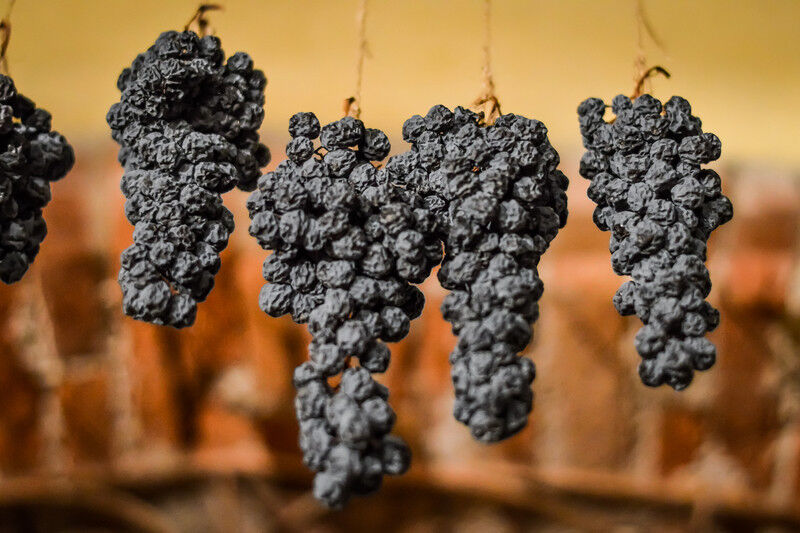
Amarone della Valpolicella DOCG: Crafted using the traditional "passito" method, the grapes are dried to concentrate flavors, resulting in a powerful, full-bodied wine with enchanting complexity.
Recioto della Valpolicella DOCG: This rare sweet wine, made from partially dried grapes, preserves natural sugars for a luxuriously sweet, high-alcohol treat.
Valpolicella Ripasso DOC: Combining the youthfulness of Valpolicella with Amarone’s rich grape skins, Ripasso delivers a bold, layered profile of plum and cherry.
Bardolino DOC: Light, juicy, and fruit-forward, Bardolino is ideal for early enjoyment, while Bardolino Superiore DOCG brings added depth with oak aging.
Traditional Dishes to Pair with Corvina Wines
The spectrum of Corvina-based wines pairs beautifully with local Veneto cuisine—think hand-rolled pasta, savory risottos, and regional meats—showcasing how closely the wines and foods of the land intertwine in tradition and flavor.
The Perfect Match: Corvina, Bardolino, and Valpolicella with Food
Venetian Meat and Fish Specialties
The diversity of Corvina wines means they complement a wide range of traditional meat and fish dishes from the Veneto region.
Classic Pairings for Valpolicella and Bardolino
- Venetian cured meats and artisanal salumi
- Spicy salami pizza
- Homemade pasta with meatballs
- Tagliatelle al ragù (Bolognese)
- Grilled burgers
- Tuna or salmon-based creations
- Roast chicken
- Venetian seafood stew (brodetto)
Hearty Mains for Amarone and Ripasso
- Game meats like hare, rabbit, or veal
- Grilled steak
- Duck breast
- Turkey with herbs or calamari
- Sweet-salty beef teriyaki
Vegetarian and Vegetable Fare
- Charred seasonal vegetables
- Creamy mushroom risotto
- Pasta with fresh basil pesto
- Ravioli filled with local cheeses
- Caramelized vegetable tarts
These pairings celebrate the culinary traditions of the region, where local ingredients and recipes are a natural fit for the wines born from the same land.
Cheeses and Desserts: Elevating the Corvina Experience
While the dry styles of Corvina-based Bardolino and Valpolicella wines shine with Veneto’s artisanal cheeses, the luscious sweet Recioto is a classic match for decadent desserts.
Best Cheese Pairings for Valpolicella and Bardolino:
- Soft, creamy cheeses
- Fresh goat cheese
- Brie
- Ricotta
Pairings for Amarone, Ripasso, and Valpolicella Superiore:
- Parmigiano Reggiano
- Aged Gouda
- Gorgonzola
- Roquefort
- Stilton
- Fruit-forward desserts such as berry cobblers, where the wine’s acidity enhances the dish
Indulgent Matches for Recioto della Valpolicella:
- Classic cheesecake
- Chocolate tarts
- Strawberry tiramisù
- Creamy caramel or toffee desserts
Sharing these pairings is a time-honored tradition in the Veneto, where food and wine come together to create memorable moments around the table.
Corvina Styles: Dry, Sweet, and Everything In Between
The landscape of Corvina wine is as varied as the Veneto itself, with both Bardolino and Valpolicella producing wines that reflect the nuances of their terroir and the craft of the local vintners.
The Meaning of “Classico” in Bardolino and Valpolicella
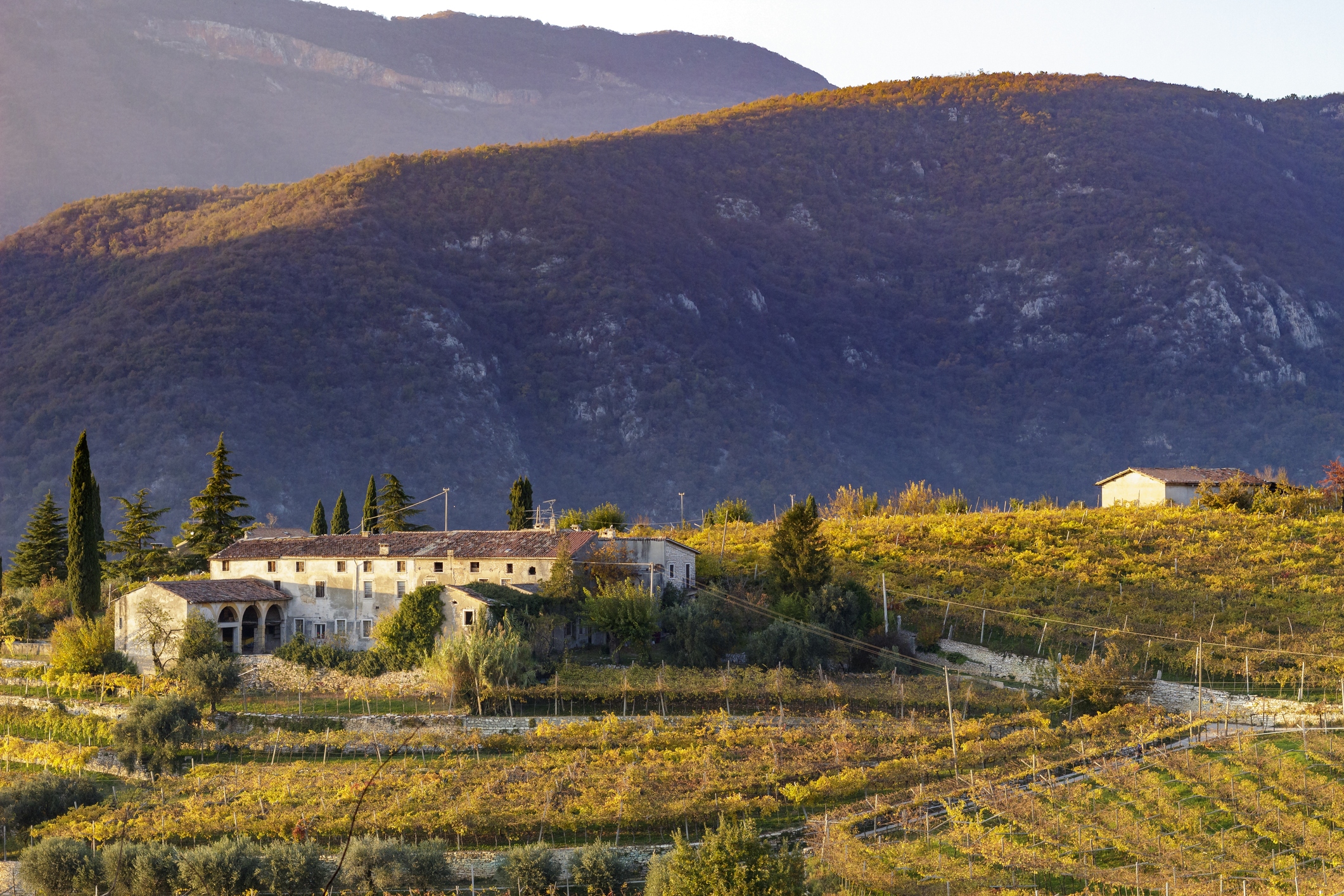
When you see “Classico” on a label, you’re tasting wine from the original, historic core of the region—often from hills with volcanic or clay-rich soils that nurture deeply flavored grapes. Valpolicella Classico DOC comes from these prized hills northwest of Verona, not far from Lake Garda.
Wines from the wider plains, labeled simply as Valpolicella DOC, tend to offer lighter fruit and softer acidity, echoing the sandy, gravelly soils of the area.
Understanding “Superiore”
"Superiore" indicates a wine with stricter aging and higher alcohol requirements, giving it more structure and richness—such as Valpolicella Superiore DOC compared to its lighter DOC counterpart.
Bardolino: A Lake Garda Treasure
The Bardolino appellation lies to the north and east of Lake Garda, where the wines are typically lighter and feature a higher proportion of Rondinella, which brings floral and almond notes to the blend. Both Bardolino and Valpolicella wines are integral to local celebrations, pairing with everything from lakeside seafood to hearty mountain fare.
Corvina’s Relatives: Wines Reminiscent of Bardolino and Valpolicella
If You Love Bardolino and Valpolicella, Try:
If Amarone and Ripasso Are Your Style:
- Malbec
- Côtes de Bordeaux reds
- Right Bank Bordeaux
- Châteauneuf-du-Pape, Gigondas, Vacqueyras
- Rioja Reserva & Gran Reserva
- Bandol
- Pays d’Oc red blends
- Barossa Shiraz
If You Enjoy Recioto della Valpolicella:
- Ruby Port
- Pedro Ximénez Sherry (less syrupy than Recioto)
- Rutherglen Muscat
These comparisons help broaden your palate while highlighting the unique character of Corvina-based Venetian wines.
Fascinating Facts About Corvina: The Heart of Veneto’s Wine Heritage
- Corvina is also known locally as Corvina Veronese, Cruina, and Casabria.
- This grape requires ample vineyard space and creative trellising due to its vigorous growth—making it a true labor of love for local winegrowers.
- The earliest recorded mention of Corvina dates back to 1627, underscoring centuries of winemaking tradition.
- Though native to Italy, Corvina has found new homes in Argentina and Australia, where it showcases its adaptability in diverse climates.
Further Reading and Tasting:
all.sign in to leave a review