Cecina, Tuscan Chickpea Flour 'Flatbread'
Cecina: A beloved Tuscan chickpea flatbread with centuries of tradition and irresistible simplicity. This classic vegan and gluten-free street food boasts wholesome ingredients—chickpea flour, water, extra virgin olive oil, salt, and pepper—creating a dish deeply rooted in Tuscan culinary history. The name 'Cecina' is derived from the Italian word for chickpeas, 'ceci,' reflecting the central role of this ancient Mediterranean legume in the region’s gastronomy. Traditionally baked in wood-fired ovens, Cecina has been savored by generations as both a nourishing snack and a flavorful testament to Tuscany’s rustic food culture.
By Lele Gobbi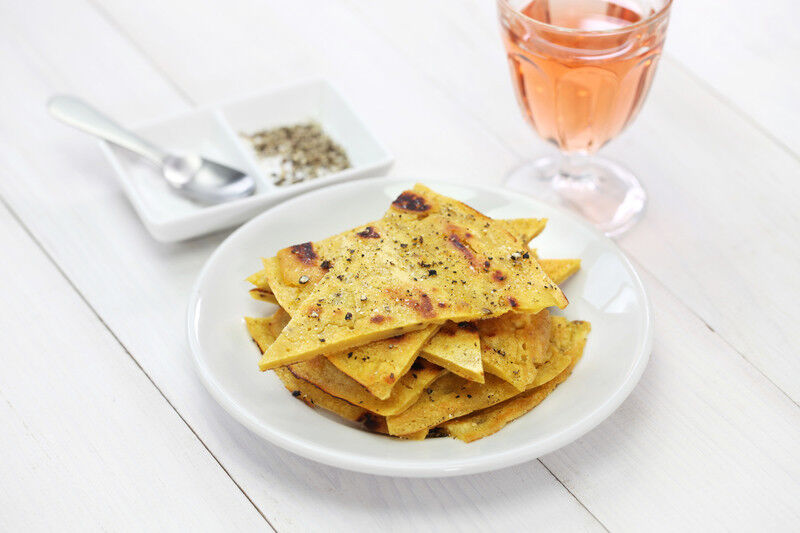
Across Italy, this delectable dish is known by many names, each carrying its own history and tradition. In Tuscany, particularly in Livorno, it's called Torta di Ceci, while in Pisa you’ll hear it referred to as Cecìna. Here, the word "farinata" is often reserved for a hearty winter soup with black cabbage, cornmeal, and cannellini beans. Travel west to Liguria and you'll find it celebrated as fainà, a staple enjoyed from seaside towns to mountain villages. Sardinia, too, boasts its own version, called fainè in Sassari, sometimes enhanced with onions, anchovies, sausage, or a dusting of black pepper.
Regardless of its regional title or small variations, the heart of this dish is unchanged: a thin, golden flatbread made primarily from chickpea flour. Its simple ingredients and rustic origins have helped it endure for centuries, cherished by generations as both street food and comfort fare. Cecina’s enduring popularity is a testament to the Italian talent for transforming humble ingredients into unforgettable flavors.
The chickpea is a small, round legume, often slightly fuzzy, and typically enclosing two or three creamy-yellow seeds. Its journey from field to table spans millennia, with evidence of its cultivation dating back to ancient Mesopotamia and the Mediterranean basin. Harvested in the warm months between June and October, chickpeas are prized both in their dried form and, when finely milled, as a versatile flour.
In Italian cooking, the chickpea represents nourishment and tradition, supplying a wealth of protein, fiber, and minerals. Its nutty, subtly sweet flavor underpins countless classic recipes, from hearty stews and soups to the iconic flatbread cecina. With their historical significance and nutritional potency, chickpeas continue to play a starring role in the Mediterranean diet, offering sustenance and satisfaction since antiquity.
Though its exact origins are shrouded in the mists of time, farinata’s story is steeped in the spirit of Italian ingenuity and resilience. Originating as a humble food of the people in Liguria, this chickpea flatbread bridged the gap between classes, earning a place at both peasant tables and noble feasts.
Some culinary legends trace its invention to the year 1284, in the aftermath of the Battle of Meloria. As the Pisans faced defeat by Genoa, a storm reportedly upended barrels of oil and sacks of chickpeas, saturating provisions with seawater. Undaunted, sailors dried the mixture in the sun, creating an early version of farinata—a delicious symbol of resourcefulness in adversity.
Over the centuries, cecina has become intertwined with the rhythms of Mediterranean life, savored as street food in bustling port cities, and enjoyed in family kitchens on market days. Its appeal lies not only in its taste but in the stories and shared memories baked into every golden slice.
Though the ingredient list is short, each component is vital. The art of cecina lies in transforming these everyday staples into a dish with an unforgettable aroma, taste, and texture—a testament to the elegance of rustic Italian cooking.
Crafting an exceptional cecina requires patience and a handful of time-tested techniques. The batter, a blend of chickpea flour and water, must be mixed to a silky, lump-free consistency and left to rest for at least four hours, allowing the flavors to meld and the texture to develop.
Purists insist on baking the batter in a heavy, galvanized copper pan—the secret to achieving a crisp, golden crust without scorching. The oven, ideally wood-fired or brick-lined, must be perfectly level to ensure even cooking and the desired wafer-thin profile.
A generous drizzle of extra virgin olive oil coats the pan before pouring in the batter, which should be no more than one centimeter thick. After baking for about thirty minutes, the result is a flatbread that’s crisp on the outside, tender within, and utterly irresistible when sprinkled with freshly ground black pepper.
Tradition dictates eating cecina piping hot. The perfect slice is golden and crackly on top, yet moist and supple inside, with a savory flavor that speaks to its rustic roots. Each bite is a celebration of Tuscan craftsmanship, simple ingredients, and centuries-old culinary wisdom.
The subtle, earthy flavors of Torta di Ceci are beautifully complemented by Italian white wines with vibrant acidity and a touch of minerality. These selections refresh the palate and enhance the flatbread’s delicate notes, making every bite shine.
Consider pairing your cecina with:
These wines, each rooted in Italian terroir, provide harmony and contrast, making your meal a celebration of both regional food and wine traditions.
Sampling cecina in these iconic Livornese bakeries and pizzerias is not just a meal—it's an immersion into the local culture and a taste of Tuscan history. Be sure to enjoy your slice hot from the oven, just as locals have for centuries.

A tight-knit team with a dream: to create a virtual meeting place between chefs, journalists and producers with Italian food and wine lovers around the world. Mamablip is a technological neighborhood cafe where a simple and intuitive language is spoken. It allows anyone to get in touch with the places of production and their interpreters and live real experiences made of scents, flavors and desire to learn. Mamablip brings producers, produce, chefs and experts directly to your home, offering authentic content that enhances sustainability and respect for the planet.