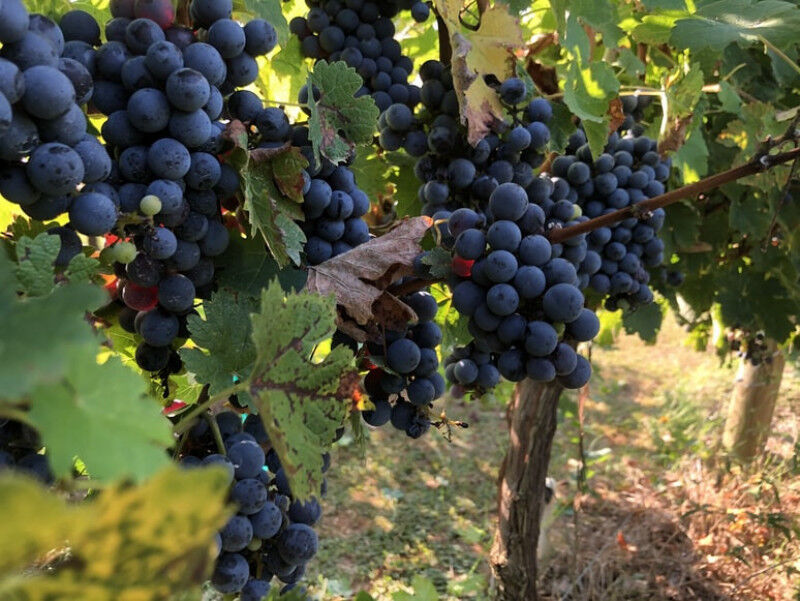
Discovering the Distinct Worlds of Cabernet Sauvignon and Merlot
Cabernet Sauvignon and Merlot stand among the most celebrated black grape varieties on earth, flourishing in diverse soils yet often sharing the same vineyards. The legendary Bordeaux region remains the spiritual home of their iconic blends, a benchmark that has inspired winemakers internationally. In Italy, these grapes are frequently married with native varieties or showcased in powerful single-varietal wines, contributing to the rich tapestry of Italian viticulture.
The Power and Prestige of Cabernet Sauvignon
Cabernet Sauvignon reigns as a global favorite, renowned for imparting both intensity and structure to varietals and blends alike. Its hallmark attributes—deep color, robust tannins, and remarkable aging potential—make it a cornerstone of premium winemaking.
This grape’s journey began in Bordeaux, France, and has since extended to acclaimed regions such as Tuscany (Italy), Napa Valley (California), Stellenbosch (South Africa), Hawke’s Bay (New Zealand), Coonawarra and Margaret River (Australia), and Colchagua Valley (Chile). Cabernet Sauvignon’s bold personality, layered flavors, and longevity have earned it a reputation for producing some of the world’s most sought-after and collectible wines.
Key Traits of Cabernet Sauvignon
- Signature aromas and flavors of concentrated black fruit—think blackcurrant and blackberry—with lean intensity in cooler climates and lush opulence in warmer regions.
- Oak barrel aging imparts complex notes of cedar, toasted wood, and vanilla.
- Typically dry, with pronounced tannins, elevated alcohol, and vibrant acidity, all supporting graceful aging for decades.
- With maturation, Cabernet Sauvignon evolves to reveal nuances of tobacco leaf, leather, and earthy undertones.
Shining Examples of Cabernet Sauvignon
Agapanto 2018, Podere Conca, Bolgheri, Tuscany, Italy
Viticcio 2018, Morellino di Scansano, Tuscany, Italy
Famiglia Zingarelli 2018, Rocca delle Macìe, Chianti Classico Riserva, Tuscany, Italy
Merlot: The Versatile Charmer
Merlot rivals Cabernet Sauvignon in global acreage, valued for its approachability and adaptability. Its plush, fruit-forward character makes it a favorite for both easy-drinking varietals and as a softening agent in blends.
Merlot thrives in warm New World locations, crafting wines that are smooth, accessible, and exceedingly food-friendly. Despite its popularity, Merlot is anything but ordinary—it’s a linchpin in illustrious Bordeaux blends and acclaimed single-varietal wines worldwide.
Defining Qualities of Merlot
- Displays inviting aromas and flavors of ripe red and black fruit, like plum and cherry.
- Dry, with supple tannins, moderate to lively acidity, and a rounded, medium-to-full body.
- Oak maturation contributes hints of clove, vanilla, chocolate, and cedarwood.
- With bottle age, Merlot develops notes of stewed fruit and dark chocolate.
Standout Merlot Bottlings
Adèo 2018, Campo alla Sughera, Bolgheri, Tuscany, Italy
Merlot 2020, Vigna Dogarina, Venezia, Veneto, Italy
Admíre Merlot 2018, Fosso Corno, Colli Aprutini, Abruzzo, Italy
Cabernet Sauvignon vs Merlot: Exploring Their Origins
Cabernet Sauvignon traces its lineage to the gravelly Left Bank of Bordeaux, France, a result of a natural crossing between Sauvignon Blanc and Cabernet Franc. Like its parent, Cabernet Franc, it flourishes in well-drained, heat-retaining soils, essential for optimal ripening. If the climate is too cool, the grape may produce wines with unripe, vegetal notes. Legendary Left Bank communes like Margaux and Pauillac, with their stony terroir, are synonymous with some of the world’s most prestigious Cabernet Sauvignon-based wines.
Cabernet Sauvignon’s acclaim has propelled it to premium vineyards worldwide—from California to Chile, Australia to South Africa—each region crafting its own interpretation while honoring Bordeaux’s esteemed legacy.
Merlot made its first appearance in 18th-century Bordeaux and is thought to derive its name from the region’s native blackbirds ("merle" in French) that covet its dark-hued berries. Merlot is the star of the Right Bank—including Saint-Émilion and Pomerol—where the cooler, clay-rich soils bring out its plush texture and succulent fruit. It is also widely planted in the Côtes-de-Bordeaux, celebrated for its accessible yet high-quality wines. As Bordeaux’s most planted grape, Merlot is vital to the region’s winemaking identity.
Outside France, exceptional Merlots hail from Washington State, select Chilean valleys, South Africa’s Stellenbosch, as well as from pockets of Australia and New Zealand. In Italy, Merlot is often used to enrich Sangiovese in Chianti Classico or as the centerpiece in acclaimed Super Tuscan wines from Bolgheri.
Diving into the Genetics: Cabernet Sauvignon and Merlot Grapes
Cabernet Sauvignon owes its thick skins to its parentage, which result in deeply colored wines with concentrated flavors and formidable tannins. As a late-ripening grape, it demands consistent warmth to develop fully; otherwise, the wine risks displaying green, herbaceous notes.
On the other hand, Merlot is the offspring of Cabernet Franc and the lesser-known Magdeleine Noire des Charentes. Research has also linked it genetically to Carménère, Malbec, and Cabernet Sauvignon, placing it firmly within Bordeaux’s vinous family tree. Merlot’s thin skin and early ripening suit the cooler, moisture-retentive clay of the Right Bank, where it produces some of its silkiest and most age-worthy wines.
Sensory Profiles: Cabernet Sauvignon and Merlot in the Glass
Cabernet Sauvignon is instantly recognizable for its core flavors of blackcurrant, bramble, and graphite, with structure and acidity that make it a full-bodied powerhouse. The expression of Cabernet Sauvignon shifts with terroir: in Bordeaux, it’s taut and tannic; in California, it bursts with rich cassis; in Australia, expect hints of eucalyptus and mint. Oak elevates its complexity—European barrels lend cedar and toast, while American oak imparts vanilla and sweet spice. Over time, aged Cabernet Sauvignon deepens, offering notes of tobacco, earth, and leather.
Merlot’s style is equally linked to its origin. Bordeaux and southern France favor red and black fruit, balanced body, and lively acidity. Warmer regions like California and Chile amplify its black fruit and soften its structure, resulting in plush, approachable wines. Tuscan Merlots are concentrated, with bold fruit and floral nuances. Oak aging brings layers of spice and coffee. In classic Bordeaux blends, Merlot delivers freshness, juicy fruit, and smooth tannins, harmonizing with Cabernet Sauvignon’s structure.
Perfect Pairings: Food Matches for Cabernet Sauvignon and Merlot
The hallmark power of Cabernet Sauvignon—its assertive tannins, dark fruit, and full body—calls for equally robust dishes. When used in blends or as a varietal, this grape benefits from food pairings that can stand up to its intensity.
- Avoid highly sweet or spicy foods, which can accentuate Cabernet’s tannins and mask its flavor profile.
- Foods with acidity or salt enhance the wine’s fruit and perceived body.
- Rich, fatty dishes—like grilled steaks, barbecued meats, and roasted lamb—offset the grape’s tannic structure.
- Appetizer ideas: Prosciutto-wrapped greens with Brie, olive tapenade bruschetta.
- Main courses: Steak with pepper sauce, roasted lamb, or hearty vegetarian fare such as eggplant moussaka or mushroom lasagna.
- For dessert, opt for dark chocolate mousse; for cheese, aged Gouda and sharp cheddar excel.
Merlot offers greater versatility at the table, thanks to its softer tannins and plush fruit. The grape’s two principal styles—rich and velvety from the New World, leaner and more structured from Bordeaux—each pair wonderfully with a range of foods:
- Acidity and salt in food, as with Cabernet, enhance Merlot’s fruit and body.
- The more concentrated and alcoholic the Merlot, the better it matches with hearty, rich fare.
- Suggested appetizers: Stuffed mushrooms, roasted potato skins, cheese fondue, or assorted roasted vegetables.
- Main dishes: Lamb kebabs, pizzas with tomato sauce, or Italian pasta with creamy or tomato-based sauces.
- Desserts: Chocolate brownies or crêpes; cheese options include Brie, Gouda, Parmesan, and medium cheddar.
all.sign in to leave a review