Experience the Unique Taste of Piedmont: History and Culture Behind 15 Signature Dishes
Piedmontese Cuisine: A Melting Pot of Alpine and Italian Influences
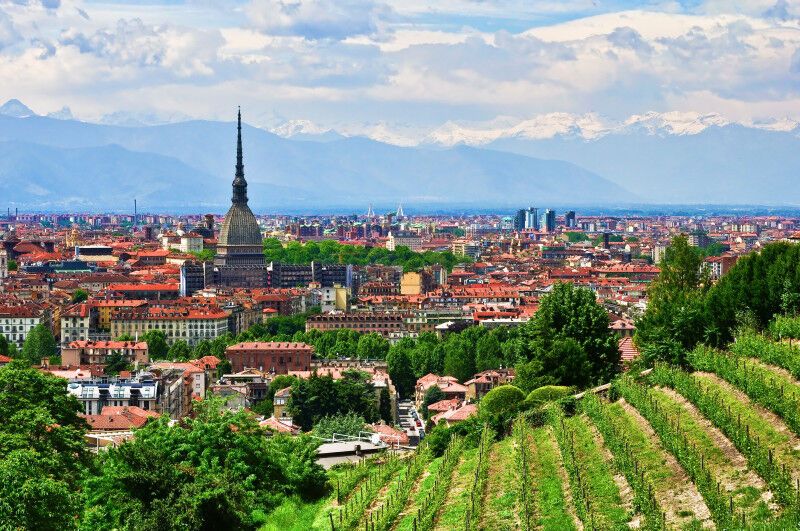
Piedmont is a region of borders and crossroads, nestled between the Alps and the fertile Po Valley. For centuries, it has absorbed traditions from neighboring France and Switzerland, while also welcoming waves of internal migration from southern Italy. This blend of cultures, climates, and landscapes has made Piedmontese cuisine rich and varied. Despite appearing isolated, Piedmont's culinary identity is strong and celebrated for its balance of rustic roots and refined flavors, earning it a revered place on the global gastronomic map.
The Essence of Piedmontese Cooking: Local Products and Timeless Recipes
Piedmont’s international acclaim comes from its world-class red wines—Barolo, Barbaresco, and more—and the rare Alba white truffle, one of the planet’s most valuable culinary treasures. But the region’s agricultural bounty goes much further. Its rice paddies in the Vercelli area produce Italy’s best risotto rice, while Alpine valleys are home to cows and goats whose milk is turned into extraordinary cheeses like Castelmagno, Robiola, and Toma. Lakes yield delicate freshwater fish, and rolling hills provide prime Fassona beef, sweet peppers, and exceptional hazelnuts. Wine is not only for drinking; it’s a key ingredient in risottos and braised meats, tying together vineyard and kitchen. Raw starters and fresh pastas—filled agnolotti, golden tajarin—reflect a focus on pure flavors, while desserts and pastries highlight regional nuts, chocolate, and seasonal produce. Each dish is part of a ritual, from feasts celebrating the truffle harvest to Sunday family gatherings, preserving centuries-old traditions in every bite.
Which Iconic Dishes Best Capture the Spirit of Piedmont?
Finanziera: Turin’s Classic of Humble Elegance
Finanziera is the embodiment of Piedmont’s ability to transform "poor" ingredients into aristocratic fare. This historic dish, born in 18th-century Turin, combines veal sweetbreads, chicken giblets, and rooster crests with seasonal porcini mushrooms, all gently simmered in Marsala wine. Originally a market-stall creation, it became the favorite of the city’s bankers and financiers, who prized its richness and complexity. Today, it is served at traditional osterias and special occasions, connecting the city’s mercantile past with its culinary present. The use of prized wild mushrooms—often foraged by local families—adds a distinctly Piedmontese note to each bite.
Acciughe al Verde: Tradition Along the Ancient Salt Roads
This simple yet vibrant appetizer hails from Piedmont’s historic trade with Liguria, where salt-preserved anchovies were exchanged along Alpine routes. In "bagnetto verde," anchovies are chopped with garlic and fresh parsley, then mixed with soft breadcrumbs and local olive oil. The green sauce is a staple at family tables and village fairs, used to liven up slices of rustic bread or boiled meats. Its fresh, salty tang is a testament to the region’s resourcefulness and the centuries-old connections between mountain and sea.
The legendary Bonèt has graced Piedmont’s dessert tables since the 18th century. Named for the hat-shaped mold in which it’s baked, this pudding is a blend of eggs, cocoa, sugar, milk, rum, and amaretti biscuits—sometimes enriched with local hazelnuts or a dash of coffee. Amaretti and cocoa arrived via ancient trade, while hazelnuts are a hallmark of the Langhe region. Bonèt is the grand finale for family feasts, weddings, and holidays, with each household guarding its secret twist on the recipe. Its bittersweet, nutty flavor perfectly encapsulates the region’s love of celebration and tradition.
► Explore the recipe
Bollito Misto: The Heartwarming Ritual of Boiled Meats
Bollito misto brings together families and friends, especially in winter, for a meal that celebrates Piedmont’s livestock heritage. Up to fourteen cuts of beef, veal, and sausage—plus offal and chicken—are gently simmered with root vegetables and herbs. Tradition dictates serving them with an array of sauces: bagnetto verde, tomato-based bagnetto rosso, and sweet-spicy mostarda. Once the centerpiece of rural festivals and grand banquets, bollito misto remains a symbol of abundance, respect for the animal, and the joy of sharing a meal.
Vitello Tonnato: An Unexpected Marriage of Flavors
This elegant appetizer was conceived in the late 19th century, blending tender local veal with a creamy sauce of preserved tuna, capers, and anchovies. The veal—often Fassona, prized for its tenderness—is cooked until pink and served cold, covered in the savory sauce. Vitello tonnato is a staple at weddings and holiday feasts, celebrated for its lightness and flavor balance. The dish embodies Piedmont’s willingness to embrace innovation while showcasing the very best of local produce.
Battuta al Coltello: Pure Piedmontese Beef, Handmade
This raw beef delicacy is a testament to Piedmont’s trust in its Fassona cattle and expert butchers. The meat is hand-chopped—never ground—to preserve its delicate texture, then simply seasoned with olive oil, salt, and sometimes lemon or garlic. In truffle season, the dish is elevated with shavings of Alba’s famed white truffle. Battuta is a fixture at family gatherings and trattorias, embodying the Piedmontese respect for ingredient quality and honest flavors.
Piedmont’s Cheeses: Castelmagno and Dairy Excellence
The Alpine valleys of Piedmont are home to some of Italy’s finest cheeses, most famously Castelmagno. Produced in high mountain pastures, Castelmagno has been crafted since the Middle Ages, its crumbly blue-veined paste deepening in flavor with age. Melted into polenta or paired with honey and walnuts, it shines at autumn fairs and on festive antipasto boards. Other local treasures—Robiola, Toma, Murazzano—reflect the region’s heritage of family-run dairies and small-batch production, celebrating the bond between land, livestock, and tradition.
Insalata Russa: French Elegance on the Piedmontese Table
Despite its name, Insalata Russa is a European classic introduced to Piedmont in the 19th century. Originally a lavish salad for the elite, it now features a medley of boiled vegetables folded into homemade mayonnaise. It’s a festive first course, especially at Christmas and Easter, its bright colors and creamy texture signaling celebration. The dish’s evolution from luxury to staple reflects Piedmont’s ability to adapt international trends with local warmth and simplicity.
Agnolotti del Plin: The Pinched Pasta of Family Celebrations
Handmade with love, agnolotti del plin are tiny parcels of egg pasta, filled with roasted meats and greens, then sealed with a signature pinch—plin—that marks them as homemade. Created to make use of leftover roasts, these dumplings are the star of Sunday lunches and harvest festivals, where families gather to prepare hundreds at once. Served in broth or with sage butter, agnolotti del plin represent the heart of Piedmontese hospitality and the joy of sharing tradition.
Piedmontese Fritto Misto: Savory and Sweet, Straight from the Farm
Born from the custom of slaughtering pigs and using every part, fritto misto has evolved into a festive platter of meats, offal, and sweet fritters. Each piece is lightly breaded and quickly fried, served hot at festivals and family reunions. The dish’s mix of flavors and textures—sometimes even including apple or semolina sweets—captures the region’s knack for abundance and conviviality, turning humble ingredients into a treat for all ages.
Brasato al Barolo: Beef and Wine, the Soul of Piedmont
Brasato al Barolo beautifully marries the region’s two most prized products: Barolo wine and Fassona beef. The meat is marinated and slowly braised in Barolo with herbs and root vegetables, resulting in melt-in-the-mouth slices and a rich, velvety sauce. Served with polenta or mashed potatoes, brasato graces winter tables and Sunday gatherings, honoring both the vineyard and the farm, and representing the slow, thoughtful approach to Piedmontese cooking.
Peppers with Bagna Caoda: A Ritual of Harvest and Friendship
Bagna caoda—meaning "hot bath"—is an ancient communal dish of garlic, anchovies, and olive oil, kept warm and shared with roasted peppers and raw or cooked vegetables. Originating as a meal for vineyard workers in the autumn, it is still celebrated at village feasts and family tables, symbolizing warmth, unity, and the bounty of the Piedmontese harvest. The dish’s strong flavors and ritualistic sharing reflect the region’s agricultural roots and enduring sense of community.
Tajarin with Ragù: The Golden Pasta of the Langhe
Tajarin are silky, bright-yellow noodles made with generous egg yolks—a symbol of festivity in the Langhe. Cut by hand into fine ribbons, they are often paired with rich ragù of sausage or chicken livers, or simply with butter and white truffle in autumn. Tajarin is a highlight of Sunday lunches and fairs, representing the skill, patience, and love central to Piedmontese home cooking. Its delicate texture and flavor evoke the rolling hills and agricultural abundance of the region.
Hazelnut Cake: Piedmont’s Sweetest Tradition
Piedmont’s prized Tonda Gentile hazelnuts are the star of the region’s signature hazelnut cake (torta di nocciole). Developed in the farmhouse kitchens of the Langhe, this flourless cake is intensely fragrant and moist, traditionally enjoyed after a meal or with a glass of local Moscato. Hazelnut cake celebrates the bounty of local orchards and the creativity of Piedmontese bakers, remaining a cherished feature of both family gatherings and pastry shop displays.
all.sign in to leave a review