The Rich Heritage of Italian Dessert Wines
Exceptional sweet wines from Italy’s renowned wine regions have been cherished for centuries, not just for their luscious flavors but also for their connection to Italy’s rich cultural and culinary traditions. Sweet wines have played a prominent role in Italian history, served at noble banquets and rural feasts alike. Today, they are expertly paired with a range of classic regional dishes. Explore a curated selection of the most distinguished Italian dessert wines—perfect for celebrations, dessert pairings, or moments of relaxation. Whether your preference is red or white, there’s an Italian sweet wine to transform every occasion into a delightful experience.
Perfect Pairings: Elevating Sweet Wines at the Table
Dessert wines have long been enjoyed as a grand finale to Italian meals, often paired with enticing pastries or cakes. Their history traces back to ancient Roman times, when sweet wines were considered both a culinary luxury and a symbol of hospitality. While these wines are traditionally enjoyed alongside desserts, their inviting aromas and flavors can be savored on their own—ideal for unwinding and indulging in a moment of pure pleasure.
Iconic Sweet Wines from Italy: A Journey Through Time
Passito di Pantelleria: Sicily’s Ancient Nectar
Sicily
Our voyage through Italian sweet wines begins in Sicily with Passito di Pantelleria, one of the oldest and most celebrated dessert wines in the world. Crafted since ancient times on the volcanic island of Pantelleria, this luscious wine is made from sun-dried Zibibbo grapes, a technique introduced by the Phoenicians and refined by generations of Sicilian winemakers. The result is an amber-hued elixir bursting with flavors of candied fruit and honey—an exquisite partner for the famous Sicilian Cassata cake.
Another iconic Sicilian sweet wine, Marsala, made its mark in the 18th century when it was exported to England. Its unique balance of sweetness and salinity makes it a fascinating match for savory bites like buttered croutons with anchovies, a pairing that showcases the versatility of Sicilian wines and their ability to bridge sweet and savory traditions.
Vernaccia di Oristano: Sardinia’s Liquid History
Sardinia
Among the jewels of Sardinian winemaking is Vernaccia di Oristano, a sweet wine whose origins may predate even the world-famous Sherry and Port. This ancient variety has flourished near Cabras for thousands of years, with historical records dating back to the Phoenician era. The wine’s unique oxidative aging process lends it complex notes of dried fruit and nuts. Traditionally paired with local specialties, Vernaccia di Oristano shines when enjoyed alongside filled pasta finished with a grating of prized Cabras bottarga, offering a true taste of Sardinia’s culinary legacy.
Primitivo di Manduria: Puglia’s Bold Sweet Red
Apulia
In Puglia, sweet wine tradition is embodied by Primitivo di Manduria. The Primitivo grape, a close relative of Zinfandel, was brought to southern Italy in ancient times, possibly by Greek settlers. The DOCG sweet versions are made from late-harvested grapes, resulting in rich, opulent wines with flavors of ripe dark fruit and spices. Enjoy Primitivo di Manduria with decadent chocolate desserts—a pairing that accentuates the wine’s depth and the region’s centuries-old passion for robust, expressive flavors.
Vin Santo: Tuscany’s Sacred Sweetness
Tuscany
Few Italian dessert wines are as steeped in tradition as Vin Santo. Its name, meaning “holy wine,” reflects its historic use in religious ceremonies and family gatherings throughout Tuscany. Produced since the Middle Ages, Vin Santo is made from Trebbiano and Malvasia grapes that are dried on straw mats, concentrating their sugars before fermentation and extended barrel aging. The result is a golden, nutty, and honeyed wine typically enjoyed with crunchy Cantucci biscuits—a combination that has graced Tuscan tables for centuries. Remember, tradition holds that the cookies should be savored with the wine, not dunked!
Moscatello di Montalcino: The Sweet Rarity of Tuscany
Tuscany’s sweet wine repertoire includes the rare Moscatello di Montalcino, crafted in the same region as the celebrated Brunello. This passito-style wine, produced from Moscato Bianco grapes, can be still or sparkling, and pairs beautifully with another Tuscan classic—spicy, fruit-laden Panforte. Moscatello’s subtle floral and citrus notes provide a delightful counterpoint to the richness of traditional desserts.
Asti Spumante: Piedmont’s Effervescent Treasure
Piedmont
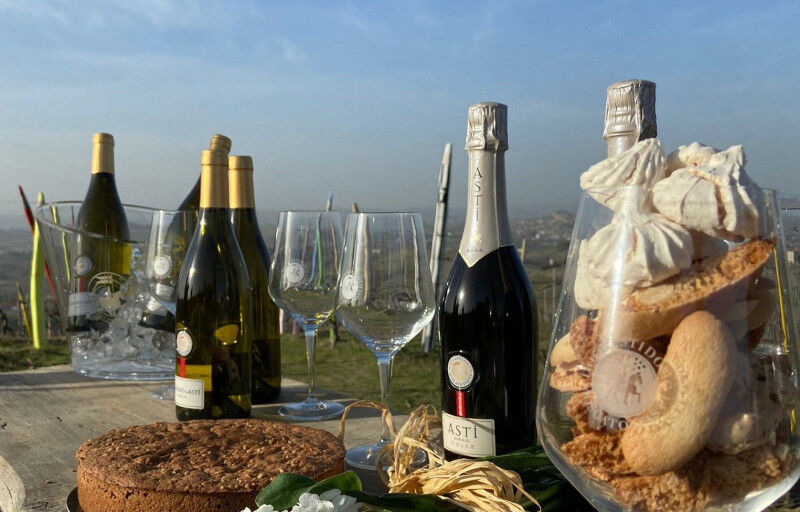
In the lush hills of Piedmont, the tradition of sweet sparkling wines dates back to the 19th century. Asti Spumante, made from Moscato Bianco grapes, became internationally renowned for its aromatic bouquet and delightful bubbles. Its naturally sweet profile is preserved by halting fermentation early, resulting in a vibrant wine perfect for celebrations. The classic pairing is Bonet, a rich pudding made with amaretto and hazelnuts, echoing the local penchant for nuts and chocolate. For a savory twist, try Moscato d’Asti with pungent blue cheese—a refined fusion of sweet and savory flavors.
Franciacorta: Lombardy’s Celebrated Sparkling
Lombardy
While Lombardy is famed for its dry sparkling wines, the region’s Franciacorta also produces demi-sec styles that pay homage to the Italian love for sweetness. Franciacorta’s sparkling tradition began in the 1960s, inspired by France’s Champagne. The demi-sec bottlings, with their balanced residual sugar, are perfect partners for regional treats like Sbrisolona or festive Panettone. These wines reflect the innovation and adaptability of Italian winemaking, blending Old World heritage with modern taste.
Recioto: Veneto’s Time-Honored Sweet Wine
Veneto
In Veneto, Recioto is an ancient wine with roots in Roman winemaking techniques. The name comes from “recia,” meaning “ear” in the local dialect, alluding to the grape clusters’ upper lobes that are richest in sugar. Recioto della Valpolicella and Recioto di Soave are both produced by drying grapes to concentrate sweetness—a method called appassimento, recorded since antiquity. Recioto della Valpolicella, a lush red, is exquisite with chocolate or, for something unique, with breadsticks wrapped in sweet Prosciutto. Recioto di Soave, made from white grapes, is a perfect match for fragrant apricot tart, reflecting the region’s artisanal baking traditions.
Sciacchetrà: Liguria’s Golden Elixir
Liguria
Liguria’s Sciacchetrà is a rare, golden-hued passito wine crafted in the terraced vineyards of Cinque Terre. Its roots stretch back to ancient times, with historical references in medieval manuscripts. The labor-intensive production process—hand-harvesting and sun-drying grapes on steep cliffs—yields a wine treasured by poets and connoisseurs alike. Sciacchetrà pairs elegantly with local desserts, and for an adventurous twist, try it with Focaccia di Recco and fig jam, a combination that blends Liguria’s savory and sweet culinary heritage.
Discover More About Italian Gastronomy:
all.sign in to leave a review